
Seasonal Heritage Festivals: Celebrating Portuguese Traditions
Spring festivals across Portugal honor local traditions with music, food, crafts, and community celebrations. A guide to the major events worth experiencing this season.
What Makes These Festivals Special
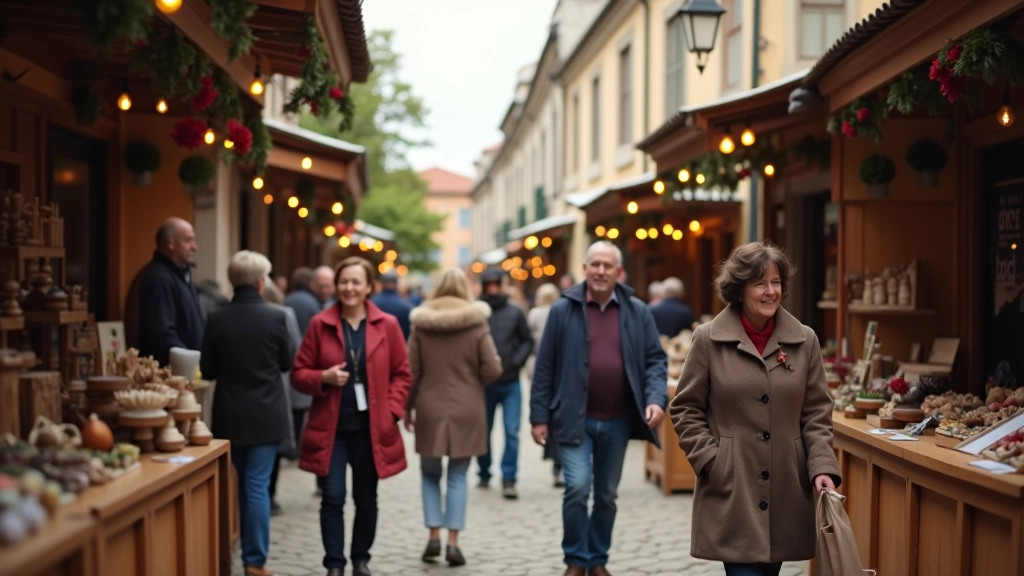
Portugal’s spring festivals aren’t just calendar events — they’re living connections to centuries of tradition. When you walk through these celebrations, you’re witnessing practices that’ve been passed down through generations. The food, the music, the crafts — they all tell stories about who the Portuguese people are.
These festivals draw people aged 40-60 looking for authentic cultural experiences. They’re not tourist traps. Instead, you’ll find locals sharing their heritage with genuine enthusiasm, and that authenticity is what makes them so worthwhile. Spring is when Portugal really comes alive with these events.
Main Events
The Major Spring Festivals Worth Your Time
Festival of the Camellias
Madeira Island
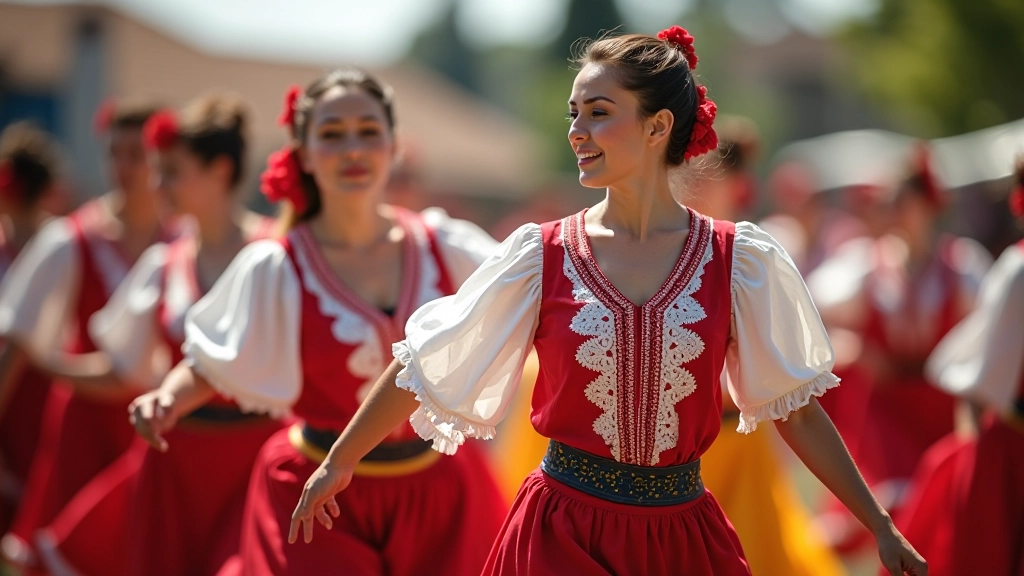
The Camellia Festival transforms Funchal every January through March. This celebration centers on the exotic camellia flowers that bloom during spring months. You’ll see elaborate floats decorated with thousands of fresh flowers, traditional music performances, and street parades that can draw over 100,000 visitors.
Best for: Photography and botanical enthusiasts. The flower arrangements are genuinely stunning.
Festa da Primavera
Guarda (Northern Portugal)
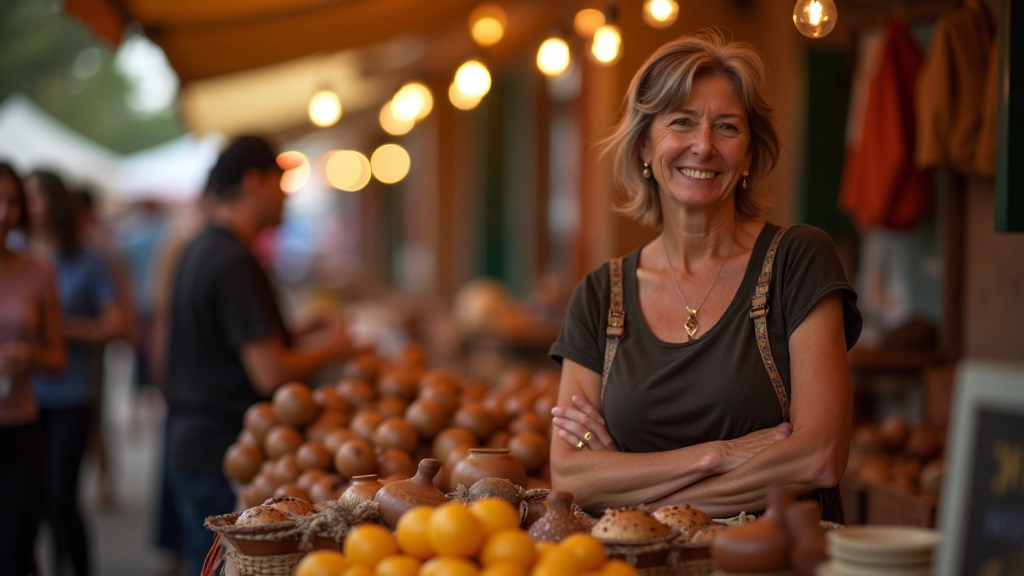
Guarda’s Spring Festival celebrates the renewal of the season with traditional crafts, local food vendors, and folk performances. The festival runs for about two weeks and features demonstrations of traditional pottery, weaving, and woodworking. You’ll find artisans actually working their crafts, not just selling finished pieces.
Best for: Craft lovers. You can purchase directly from makers and learn techniques on the spot.
Festa de São João
Multiple Cities (June)
While technically early summer, São João celebrations begin their buildup in late spring. This ancient festival has roots going back to pre-Christian times. In cities like Porto and Lisbon, you’ll witness bonfires, leaping traditions (believed to bring good luck), garlic bread eating contests, and all-night street parties that genuinely feel like community celebrations rather than staged events.
Best for: Night owls. The authentic energy is strongest after midnight.
What to Actually Expect When You Attend
First-timers often show up expecting something polished. Instead, you’ll find genuine community spaces where locals are celebrating with their families. The food isn’t presented on fancy platters — it’s served in paper bowls, and it tastes like someone’s grandmother made it that morning.
Most festivals run from late afternoon into evening. You’ll typically pay a small entrance fee (5-15) to access the grounds, though many events are free. Come hungry. The portions are generous, and trying regional specialties is half the experience. In Guarda’s spring festival, the roasted chestnuts and local cheese are worth the trip alone.
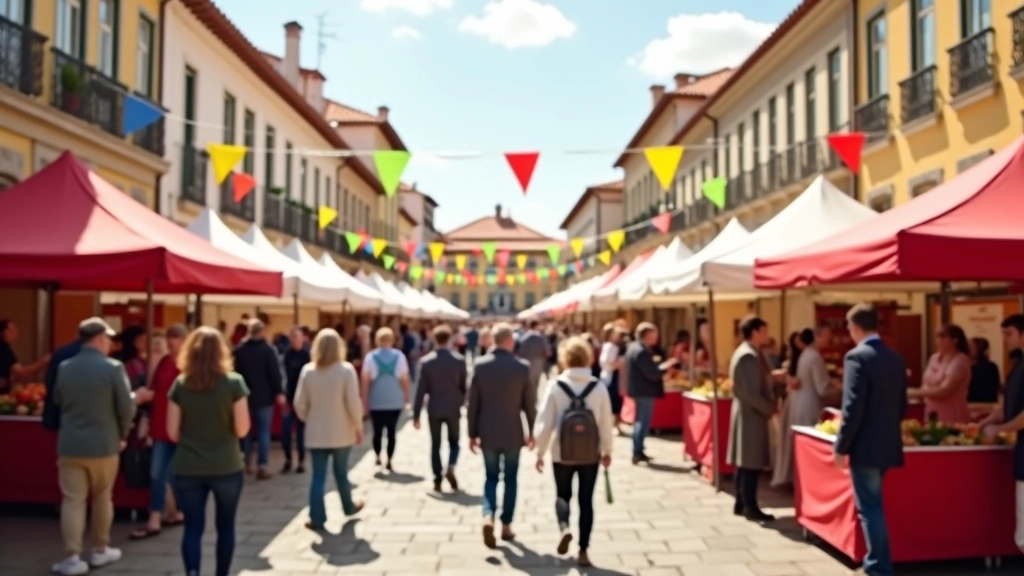
Wear comfortable shoes. You’ll be standing for hours, walking between craft stalls, food vendors, and performance areas. The crowds are manageable — not like summer tourist festivals. You’re more likely to have actual conversations with the people running stalls than get swept along in massive crowds.
Photography is welcomed at all these festivals. People are proud of their traditions and genuinely happy when visitors show interest. Just ask before photographing individuals, and you’ll find folks willing to pose and chat.
Planning Your Visit
Essential Tips for First-Time Festival Visitors
Before You Go
Check festival dates carefully. Portuguese festivals sometimes shift by a week or two depending on weather and local scheduling. Most spring festivals happen between late February and May. Visit the local tourism websites for your target region — they’re reliable and often have English versions.
Book accommodation in advance if you’re traveling during peak festival weekends. Hotels in smaller cities fill up quickly. Consider staying in a nearby town with good public transport connections. You don’t need to stay right in the festival city.
Pack layers. Spring weather in Portugal is unpredictable. You might start the morning in a light jacket and need it again by evening. Bring sunscreen — the Mediterranean sun reflects differently than you’d expect, even on cloudy days.
What to Bring
Cash is essential. Many small vendors and craftspeople don’t accept cards. Bring 50-100 in mixed denominations. ATMs are available but not always convenient near festival grounds. A comfortable crossbody bag works better than a backpack — you’ll need your hands free for sampling food and examining crafts.
Bring a reusable water bottle. Festival grounds sometimes lack water fountains, and bottled water gets expensive. Most cafés will fill your bottle for free if you ask nicely.
Why These Traditions Matter to Portuguese Culture
These festivals represent something you won’t find in mainstream tourism. They’re spaces where Portuguese people actively preserve their cultural identity. The craft techniques demonstrated at these events aren’t museum pieces — they’re living practices that families have maintained for centuries.
Spring festivals specifically celebrate renewal and rebirth, concepts deeply embedded in Portuguese folklore. The transition from winter to spring has always been significant in agricultural societies. These modern celebrations echo those ancient observances. When you attend, you’re participating in something that connects you to generations of Portuguese tradition.
Many smaller towns depend on these festivals for cultural continuity. Young people learn traditional skills by watching family members demonstrate them at festival stalls. The income from craft sales helps sustain artisans who might otherwise abandon traditional work. Your attendance directly supports the continuation of these practices.
“These festivals aren’t preserved for tourists. They’re celebrations by the community, for the community. Tourists are just welcomed guests.” — Local festival organizer, Guarda
Experience Spring the Portuguese Way
Spring festivals across Portugal offer something increasingly rare: authentic cultural experiences that aren’t commercialized or packaged for mass tourism. You’ll find genuine community celebrations where traditions are lived, not performed. The food tastes better because it’s made with intention. The crafts matter because they represent skills passed through families.
If you’re looking for travel experiences that connect you to real culture and real people, Portugal’s spring festivals deliver. Start with one festival this season. Arrive early, stay through the evening, and let yourself get absorbed in the experience. You’ll leave with stories and memories that go far deeper than typical tourism.


About This Article
This article provides informational guidance about Portuguese cultural festivals based on historical event patterns and regional traditions. Festival dates, formats, and specific details vary by year and may change due to weather, local scheduling, or unforeseen circumstances. Always verify current festival information through official local tourism websites before planning travel. Specific details about costs, hours, and program schedules should be confirmed directly with event organizers. This content is educational and intended to help you understand Portuguese cultural heritage, not serve as definitive event planning documentation.